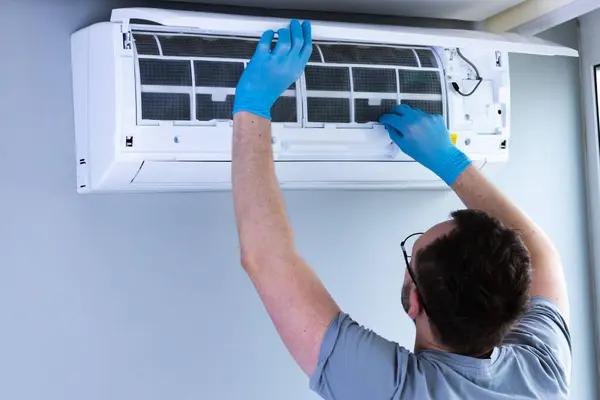
Airflow problems can significantly affect the performance and lifespan of an air conditioning (AC) system, often leading to inefficiency, discomfort, and costly repairs. Proper airflow is essential for an AC unit to function optimally because it ensures that cooled air circulates evenly throughout a space while allowing the system’s components to operate within designed temperature ranges. When airflow is restricted or uneven, the entire cooling process becomes compromised.
One common cause of poor airflow is clogged or dirty air filters. Filters trap dust, pollen, and other particles but need regular cleaning or replacement to prevent blockage. When filters become obstructed, less air passes through the system, forcing the AC unit to work harder to maintain desired temperatures. This extra strain increases energy consumption and causes wear on mechanical parts such as fans and compressors. Over time, this additional workload can lead to premature component failure.
Another factor contributing to airflow issues involves blocked or closed vents and registers inside a building. If vents are covered by furniture or closed off intentionally in some rooms, it disrupts balanced airflow distribution. This imbalance causes certain areas to be overcooled while others remain warm, reducing overall comfort levels and making the AC run longer cycles than uncover hidden gems necessary.
Ductwork problems also play a crucial role in restricting airflow. Leaks in ducts allow cooled air to escape before reaching living spaces; similarly, crushed or improperly sized ducts reduce volume flow rates substantially. These issues not only decrease efficiency but also increase operational costs since more energy is required for adequate cooling output.
The impact of inadequate airflow extends beyond immediate discomfort and higher utility bills; it directly affects the longevity of an AC system. Components exposed to excessive heat due to insufficient ventilation may degrade faster than expected because they cannot dissipate heat properly during operation cycles. For example, compressors may overheat without sufficient cold return air flowing across coils.
Addressing airflow problems promptly helps preserve both comfort levels inside buildings and prevents unnecessary financial burdens related to early equipment replacement or major repairs. Regular maintenance routines involving filter checks, vent inspections, duct sealing assessments alongside professional evaluations ensure consistent performance from your AC unit throughout its service life.