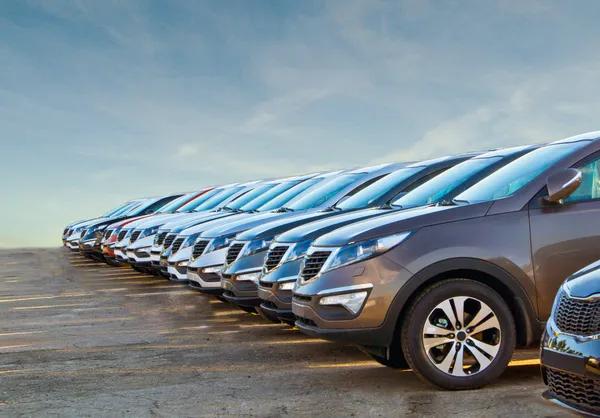
The automotive industry has witnessed significant shifts over the past few decades, particularly in how consumers purchase vehicles. The rise of digital platforms has introduced online car dealerships as a viable alternative to traditional brick-and-mortar establishments. Both online and offline car dealerships present unique advantages and disadvantages, shaping consumer preferences based on individual needs and circumstances.
Online car dealerships have gained popularity due to their convenience and accessibility. One of the primary benefits is the ability for consumers to browse a wide range of vehicles from the comfort of their homes. This eliminates the need for physically visiting multiple dealerships, saving time and effort. Additionally, online platforms often provide extensive information about each vehicle, including specifications, history reports, pricing comparisons, and customer reviews. This transparency empowers buyers with knowledge that aids in making informed decisions.
local ford dealership
Moreover, online dealerships frequently offer competitive pricing due to reduced overhead costs compared to physical locations. They can pass these savings onto customers through lower prices or attractive financing options. Some platforms even facilitate direct communication between buyers and sellers without intermediaries, potentially leading to better deals.
However, purchasing a ford car dealer near me online comes with its set of challenges. The inability to physically inspect or test drive the vehicle before purchase can be a significant drawback for many buyers who value tactile experience over convenience. Concerns about fraud or misrepresentation also loom large; despite various safeguards like return policies or warranties offered by reputable sites, apprehensions persist among cautious consumers.
On the other hand, offline car dealerships continue to thrive because they offer experiences that cannot be replicated digitally—most notably personal interaction with sales personnel who can provide tailored advice based on specific needs or preferences. Customers have immediate access to test drives which allow them firsthand experience regarding performance attributes such as handling dynamics or comfort levels inside different models—an aspect crucial for many when making final decisions.
Furthermore , negotiations tend towards being more flexible within face-to-face settings than virtual ones where fixed prices prevail . Building rapport during these interactions might lead not only toward favorable terms but also additional perks like complimentary services post-purchase .
Nonetheless , traditional dealership visits are often associated with high-pressure sales tactics aimed at upselling products beyond initial interest . Time-intensive processes involving paperwork completion onsite could deter those seeking quick transactions especially if distance necessitates travel across towns .
In conclusion while both avenues possess distinct pros alongside cons ultimately choice depends upon priorities whether prioritizing efficiency facilitated by technology versus valuing tangible engagement provided through conventional means . With evolving innovations continually reshaping landscapes future trends may further blur lines between two realms offering hybrid solutions catering diverse consumer bases equally well .
Gregg Young Ford of Newton
2020 W. 20th St. S, Ste B, Newton, IA 50208
641-316-2572