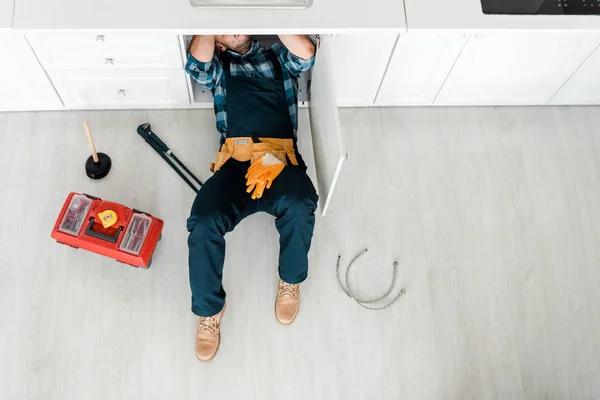
Maintaining a healthy home environment hinges significantly on the state of your plumbing system. Often overlooked until issues arise, preventive plumbing strategies can save homeowners from costly repairs and potential health hazards. By implementing regular maintenance routines and adopting proactive measures, you can ensure that your home’s plumbing remains in optimal condition.
One of the fundamental aspects of preventive plumbing is routine inspection. Regularly checking for leaks, corrosion, or any signs of wear and tear can help identify problems before they escalate into more significant issues. Leaks not only waste water but also create conducive environments for mold growth, which poses health risks to inhabitants. Therefore, it’s crucial to inspect faucets, showerheads, and pipes periodically to catch any drips early.
Another critical strategy involves maintaining proper drainage systems. Clogged drains are common nuisances that can lead to severe blockages if not addressed promptly. To prevent this, homeowners should regularly clean drains using environmentally friendly solutions like baking soda and vinegar rather than harsh chemicals that may damage pipes over time. Additionally, installing drain covers can effectively trap hair and debris before they enter the piping system.
Water pressure regulation is another essential component of preventive plumbing care. High water pressure strains pipes excessively and read more here increases the likelihood of leaks or bursts over time. Installing a pressure regulator ensures that water flows at an optimal rate throughout your home’s plumbing network without causing undue stress on its components.
Furthermore, being mindful about what goes down your drains plays a pivotal role in maintaining a healthy plumbing system. Avoid disposing grease or oil down kitchen sinks as they solidify within pipes leading to stubborn clogs; instead dispose them into trash receptacles where possible after cooling off appropriately first! Similarly refrain from flushing non-biodegradable items such as wipes sanitary products paper towels etc., since these materials do not disintegrate easily thereby risking blockages further along sewer lines potentially resulting backflow situations inside homes themselves!
Regular maintenance extends beyond immediate fixtures too: consider scheduling annual professional inspections particularly when living older properties prone structural vulnerabilities inherent aging infrastructure – trained experts equipped detect underlying concerns might otherwise unnoticed untrained eye thus providing opportunity address ahead worsening scenarios develop unnecessarily complicating matters later stage altogether ultimately safeguarding household occupants alike through proactive intervention methodologies employed timely manner indeed!
In conclusion adopting comprehensive preventive approach towards managing domestic pipelines yields numerous benefits including reduced repair costs improved efficiency prolonged lifespan overall enhanced safety standards achieved relatively straightforward cost-effective means available today making worthwhile investment future peace mind secure healthier living space everyone involved truly beneficial outcome worth pursuing diligently consistently across board moving forward confidently assuredly so!