
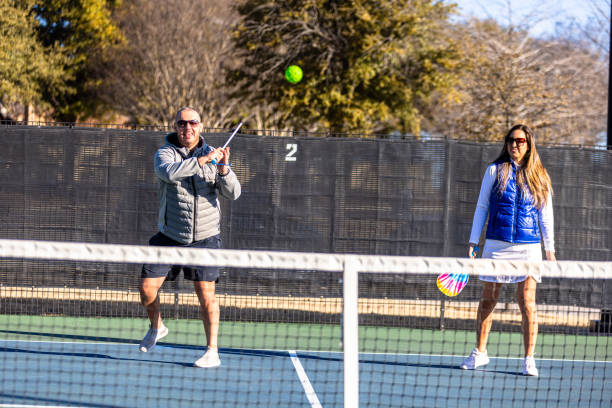
Tournament-style pickleball has gained significant popularity among competitive players due to the unique challenges and opportunities it presents. Unlike casual play, tournaments provide a structured environment where athletes can test their skills against a variety of opponents, pushing themselves to improve and adapt. The competitive nature of these events fosters a sense of urgency and focus that is often absent in informal games, making each match more intense and rewarding.
One major appeal lies in the opportunity for skill development. Tournament settings expose players to different playing styles and strategies, requiring quick thinking and adaptability. Competitors must analyze their opponents’ strengths and weaknesses on the fly while refining their own techniques under pressure. This dynamic atmosphere encourages continuous learning, which helps players elevate their game beyond what they might achieve through regular practice sessions or friendly matches.
Another factor contributing to tournament appeal is the social aspect combined with competition. Players often form connections with others who share similar dedication to the sport, creating a community built around mutual respect and sportsmanship. These events bring together individuals from diverse backgrounds united by a common passion for pickleball, fostering camaraderie alongside rivalry. Many participants look forward not only to competing but also networking within https://texasopenpickleball.com this vibrant community.
The structure of tournament play itself adds an element of excitement that attracts competitive players. Matches are typically organized into brackets or pools, providing clear progression paths toward championship titles or rankings. This format creates tangible goals for participants to strive toward during each event. The possibility of advancing through rounds motivates players to perform at their best consistently while managing mental resilience amid wins or losses.
Moreover, tournaments offer recognition that can be highly motivating for serious competitors. Achievements such as winning matches, earning medals, or improving rankings validate effort invested in training and competition preparation. Such acknowledgment boosts confidence and encourages long-term commitment to the sport.
Finally, many tournaments include different divisions based on age or skill level allowing fair competition tailored to individual abilities while still challenging participants appropriately. This inclusivity ensures all competitive players have opportunities suited to their experience levels without feeling overwhelmed or under-challenged.
In summary, tournament-style pickleball appeals strongly because it combines rigorous competition with personal growth opportunities within an engaging social framework. It challenges athletes physically and mentally while rewarding dedication through measurable success-all factors that resonate deeply with those driven by competitiveness in sports environments like pickleball’s expanding scene today.