Category: Education

  • Understanding Surgical Care Through Essentials of General Surgery and Surgical Specialties 7th Edition

    Understanding Surgical Care Through Essentials of General Surgery and Surgical Specialties 7th Edition

    Understanding surgical care requires a comprehensive grasp of both fundamental principles and specialized techniques, which is effectively facilitated by authoritative resources such as the “Essentials of General Surgery and Surgical Specialties 7th Edition.” This textbook serves as an invaluable guide for medical students, surgical trainees, and practicing surgeons alike, offering a detailed yet accessible exploration of surgical science and practice.

    The 7th edition continues to build on its predecessors by integrating contemporary advances in surgical methods alongside time-tested foundational knowledge. It meticulously covers a broad spectrum of topics ranging from basic preoperative assessment to complex operative procedures across various specialties. By doing so, it bridges the gap between general surgery concepts and the nuances inherent in subspecialties such as cardiothoracic surgery, neurosurgery, orthopedic surgery, urology, and pediatric surgery.

    One of the key strengths of this edition lies in its structured approach to presenting information. Each chapter begins with clearly defined learning objectives that help readers focus on essential aspects. The content is organized logically-starting with 9781433835643 anatomy relevant to specific surgeries followed by pathophysiology, clinical presentation, diagnostic strategies, treatment options including surgical interventions, postoperative care considerations, and potential complications. This systematic flow ensures that learners develop a holistic understanding rather than isolated facts.

    Moreover, the text emphasizes evidence-based practices supported by recent research findings. The inclusion of updated guidelines enhances clinical decision-making skills while fostering critical thinking about patient-centered care. For instance, sections dedicated to minimally invasive techniques highlight how advancements have transformed traditional open surgeries into safer procedures with faster recovery times.

    Visual aids play a pivotal role in enhancing comprehension within this resource. Detailed illustrations depict anatomical structures precisely while step-by-step procedural diagrams elucidate complex operations clearly. Additionally, high-quality photographs from actual surgeries provide real-world context that enriches theoretical knowledge.

    In addition to technical content focused on surgical procedures themselves,the book addresses important perioperative considerations such as anesthesia management principles,nutritional support,and infection control measures.These elements underscore the multidisciplinary nature of successful surgical outcomes.A particular emphasis is placed on recognizing complications early through vigilant monitoring,to minimize morbidity and mortality rates post-surgery.

    Furthermore,the 7th edition integrates case studies and clinical scenarios which challenge readers to apply their knowledge practically.This interactive approach encourages active learning,reinforcing key concepts through problem-solving exercises.Such features are especially beneficial for trainees preparing for examinations or real-life clinical encounters where quick,sound judgment is crucial.

    Another notable aspect is its global perspective.The authors incorporate variations in disease prevalence,surgical availability,and healthcare infrastructure across different regions.This inclusivity broadens understanding beyond localized practices,making it relevant internationally amid diverse patient populations.

    In summary,”Essentials of General Surgery and Surgical Specialties 7th Edition” stands out as an essential educational tool that deepens insight into all facets of surgical care.It equips learners not only with technical expertise but also with critical analytical abilities necessary for effective patient management.By combining clarity,in-depth coverage,and practical application,this textbook remains indispensable for anyone committed to mastering the art and science of surgery today.

  • Unraveling the Meaning of “Cono” in Spanish

    Unraveling the Meaning of “Cono” in Spanish

    A recent exploration of the word “cono” in Spanish piqued my interest, prompting a deeper dive into its complex connotations and cultural nuances. This reflection aims to shed light on how a single term can encapsulate a range of meanings and implications, resonating differently across various Spanish-speaking regions.

    The Linguistic Journey of “Cono”

    The term “cono” in Spanish is a fascinating case of linguistic diversity. On a surface level, it translates simply to “cone,” often referring to a geometric shape or an object resembling it. However, as one delves deeper into regional vernaculars, the word morphs into something much more colorful and layered. According to a link, the expression “cono” can serve as a colloquial term with varying degrees of intensity, akin to the way “conyo” in Spanish is used in different contexts.

    Regional Variations and Their Impact

    The cultural and geographical diversity within the Spanish-speaking world means that a word like “cono” can carry different connotations depending on where you are. In some Latin American countries, it might be used as an exclamation, while in others, it holds a more vulgar undertone. Understanding these variations is crucial for anyone navigating the rich tapestry of the Spanish language, as using “cono” inappropriately could lead to misunderstandings or even offense.

    The Duality of Meaning

    The duality of “cono” meaning illustrates a broader linguistic phenomenon where words acquire new meanings based on cultural shifts and societal norms. This evolution mirrors how language naturally adapts to the needs and experiences of its speakers. It’s a reminder of the importance of context when interpreting language, especially in informal settings where the spoken word can veer off from textbook definitions.

    Beyond the Dictionary

    The exploration of “cono” in Spanish underlines the importance of looking beyond dictionary definitions. While a dictionary might offer a straightforward explanation, the lived experiences and cultural contexts give words their true depth and meaning. For language enthusiasts, this underscores the value of engaging with native speakers and immersing oneself in different cultural settings to fully appreciate the nuances of a language.

    What to Keep in Mind Next

    As one continues to learn and use Spanish, it’s essential to remain open to the fluid nature of language. Words like “cono” remind us that language is not just a tool for communication but also a reflection of cultural identity and regional diversity. Keeping an open mind and being sensitive to these linguistic subtleties can enhance one’s understanding and appreciation of the Spanish language.

  • Build Strong Math Skills with Algebra and Trigonometry (12th Edition) PDF

    Build Strong Math Skills with Algebra and Trigonometry (12th Edition) PDF

    The “Build Strong Math Skills with Algebra and Trigonometry (12th Edition) PDF” is a comprehensive resource designed to enhance mathematical understanding and proficiency in both algebra and trigonometry. This edition serves as an invaluable tool for students aiming to solidify their math skills, offering a structured approach that caters to various learning styles.

    Algebra and trigonometry are foundational components of mathematics, essential for success in advanced studies and numerous professional fields. The 12th edition of this textbook presents these subjects in a clear, concise manner, ensuring that learners can grasp complex concepts with ease. The book’s layout is meticulously organized, guiding students through topics progressively from basic principles to more intricate theories.

    One of the standout features of this edition is its emphasis on real-world applications. By illustrating how algebraic and trigonometric concepts apply in everyday scenarios, the text fosters a deeper appreciation for the material among students. This practical approach not only aids retention but also sparks interest by demonstrating the relevance of mathematics beyond the classroom setting.

    Each chapter includes detailed explanations accompanied by examples that break down complicated problems into manageable steps. These examples serve as valuable references for students when tackling similar exercises independently. Additionally, practice problems at the end of each section reinforce learning by challenging students to apply what they have learned in new contexts.

    The 12th edition also incorporates technology-enhanced learning tools that align with modern educational practices. Interactive elements such as online quizzes and digital resources complement traditional teaching methods, offering diverse avenues for student engagement. These tools cater to different learning preferences while providing instant feedback—a crucial component in effective skill development.

    Furthermore, this PDF version offers unparalleled convenience for learners who prefer digital formats over traditional textbooks. Its accessibility across multiple devices ensures that studying can occur anytime and anywhere, making it easier than ever to integrate math practice into daily routines.

    Teachers will find this edition particularly useful due to its comprehensive instructor support materials. Solutions manuals provide step-by-step guidance on problem-solving techniques while supplementary teaching resources offer insights into best practices for delivering content effectively within varied classroom settings.

    Overall, “Build Strong Math Skills with Algebra and Trigonometry (12th Edition) (12th Edition) PDF” stands out as an exceptional educational resource tailored towards fostering mathematical competence among high school seniors or college freshmen alike. Its blend of thorough explanations coupled with practical applications makes it ideal not only for mastering core concepts but also preparing students adequately for future academic endeavors or careers requiring strong quantitative skills.

  • Business Ethics Learning Through Download Fraud Examination 7th Edition in PDF

    Business Ethics Learning Through Download Fraud Examination 7th Edition in PDF

    In the modern business landscape, ethics play a pivotal role in shaping corporate culture and ensuring sustainable success. As businesses expand globally, the challenges associated with maintaining ethical standards become increasingly complex. One of the critical areas where business ethics is often tested is in fraud examination. The “Fraud Examination 7th Edition” serves as an essential resource for understanding this intricate subject.

    Business ethics can be defined as the application of moral principles to business situations. It involves adhering to laws and regulations, but it goes beyond mere compliance to encompass integrity, fairness, and transparency in all business dealings. In recent years, there has been a heightened awareness about the importance of ethical practices due to numerous high-profile corporate scandals that have highlighted significant lapses in judgment and governance.

    The “Download Fraud Examination 7th Edition in PDF” by W. Steve Albrecht et al., provides comprehensive insights into detecting and preventing fraudulent activities within organizations. This edition offers updated content reflecting current trends in fraud schemes and methodologies used by perpetrators. By studying such material, individuals can better understand how to identify red flags indicative of unethical behavior.

    One might question whether downloading this textbook illegally could be justified if done for educational purposes under tight financial constraints. However, engaging in such behavior raises significant ethical concerns that contradict the very lessons taught within its pages.

    Downloading copyrighted material without permission constitutes intellectual property theft—a form of fraud itself—which undermines respect for authors’ rights and diminishes their incentive to produce quality work. This act not only violates legal statutes but also breaches ethical norms pertaining to honesty and respect for others’ contributions.

    From an educational standpoint, learning through unethical means compromises one’s integrity and sets a poor foundation for future professional conduct. Business students or professionals who resort to illegal downloads may inadvertently develop a mindset that tolerates cutting corners or justifying wrongful acts when convenient—attitudes detrimental both personally and professionally over time.

  • From Grassroots to Elite: Developing Talent via Youth Sport Programs

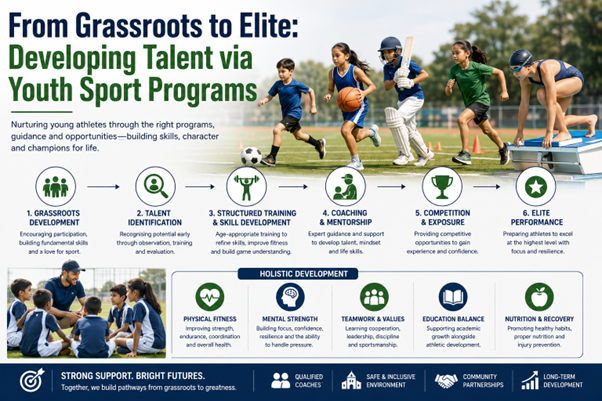
    From Grassroots to Elite: Developing Talent via Youth Sport Programs

    The journey from a beginner athlete to an elite performer begins with the right foundation. Youth sports play a crucial role in shaping physical abilities, mental resilience, and character. By introducing structured opportunities early in life, we create pathways that nurture talent and encourage long-term participation in sports.

    Well-designed sport programs for youth provide children with access to training, mentorship, and competition in a supportive environment. These programs are not just about performance; they focus on holistic development, helping young athletes discover their strengths and build confidence.

    Integrating initiatives like school wellbeing programs ensures that young participants develop both physically and emotionally. When sports are combined with well-being support, children are better equipped to handle challenges, maintain motivation, and thrive in competitive settings.

    The Importance of Grassroots Development

    Grassroots sports serve as the entry point for most young athletes. At this level, the focus is on participation, enjoyment, and skill development rather than competition.

    Early exposure to sports helps children:

    • Develop fundamental motor skills
    • Build coordination and balance
    • Learn teamwork and communication
    • Foster a love for physical activity

    Creating an inclusive and encouraging environment at the grassroots level ensures that more children remain engaged and motivated to continue their sporting journey.

    Identifying Talent at an Early Stage

    Talent identification is a critical step in transitioning from grassroots participation to elite performance. Coaches and trainers play a vital role in recognising potential and guiding young athletes toward appropriate pathways.

    Key indicators of potential include:

    • Natural athletic ability
    • Strong work ethic and discipline
    • Adaptability and willingness to learn
    • Passion for the sport

    Early identification allows for targeted training and development, ensuring that promising athletes receive the support they need to excel.

    Structured Training and Skill Development

    As athletes progress, structured training becomes essential. This stage focuses on refining technical skills, improving physical fitness, and developing tactical understanding.

    Effective training programs emphasise:

    • Age-appropriate skill progression
    • Balanced physical conditioning
    • Consistent practice routines
    • Feedback and performance analysis

    A well-structured approach ensures that athletes build a strong foundation while minimising the risk of injury or burnout.

    The Role of Coaches and Mentors

    Coaches and mentors are central to an athlete’s development. Their guidance shapes not only technical abilities but also mindset and attitude.

    A great coach provides:

    • Clear instruction and constructive feedback
    • Motivation and encouragement
    • Support during challenges and setbacks
    • Leadership and role modelling

    Mentorship extends beyond the field, helping young athletes develop life skills such as discipline, time management, and resilience.

    Balancing Education and Athletic Development

    Achieving excellence in sports should not come at the expense of education. A balanced approach ensures that young athletes develop academically while pursuing their athletic goals.

    Key strategies include:

    • Flexible training schedules
    • Academic support programs
    • Encouraging time management skills

    This balance prepares athletes for long-term success, both within and beyond their sporting careers.

    Transitioning from Youth to Elite Levels

    The transition from youth sports to elite competition is a significant milestone. It requires increased commitment, higher training intensity, and exposure to competitive environments.

    During this phase, athletes focus on:

    • Advanced skill development
    • Competitive experience at higher levels
    • Mental preparation and focus
    • Physical conditioning tailored to performance

    Support systems, including coaches, family, and institutions, play a crucial role in ensuring a smooth transition.

    The Role of Competition in Talent Development

    Competition is an essential component of athlete development. It provides opportunities to test skills, gain experience, and learn from both success and failure.

    Benefits of competition include:

    • Building confidence under pressure
    • Developing strategic thinking
    • Enhancing resilience and adaptability

    A balanced approach to competition ensures that athletes remain motivated without experiencing excessive stress.

    Mental Strength and Psychological Development

    Mental resilience is a defining factor in achieving elite performance. Young athletes must learn to manage pressure, stay focused, and maintain a positive mindset.

    Psychological development involves:

    • Goal setting and motivation
    • Coping with setbacks and failures
    • Building self-confidence
    • Maintaining emotional balance

    Training the mind is just as important as training the body, especially in competitive sports.

    Importance of Nutrition and Physical Health

    Proper nutrition and physical health are fundamental to athletic performance. Young athletes require balanced diets and recovery strategies to support growth and training demands.

    Essential aspects include:

    • Adequate hydration
    • Nutrient-rich meals
    • Rest and recovery
    • Injury prevention practices

    Maintaining physical health ensures that athletes can perform consistently and avoid setbacks.

    Creating Opportunities and Access for All

    One of the key challenges in youth sports is ensuring equal access to opportunities. Inclusive programs help identify and nurture talent from diverse backgrounds.

    Efforts to improve access include:

    • Community-based sports initiatives
    • Scholarships and funding support
    • Partnerships with schools and organisations

    By removing barriers, we create a more diverse and competitive sporting environment.

    Long-Term Athlete Development Model

    A long-term approach to athlete development focuses on gradual progression through different stages of training and competition. This model emphasises sustainability and continuous improvement.

    Key principles include:

    • Age-appropriate training
    • Gradual increase in intensity
    • Emphasis on skill mastery
    • Avoidance of early specialisation

    This approach ensures that athletes reach their full potential without compromising their well-being.

    Nurturing Talent for a Brighter Sporting Future

    Developing talent from grassroots to elite levels requires a comprehensive and well-structured approach. By combining early participation, structured training, mentorship, and holistic development, we create pathways that support young athletes at every stage.

    Investing in youth sports is not just about producing elite performers; it is about shaping confident, disciplined, and resilient individuals. With the right systems in place, we can unlock potential, inspire excellence, and build a future where talent thrives at every level.

  • Understanding Environmental Compliance and Regulatory Systems

    Understanding Environmental Compliance and Regulatory Systems

    Environmental compliance and regulatory systems play a crucial role in protecting natural resources, public health, and overall ecological balance. These systems consist of laws, regulations, standards, and guidelines established by governments or international bodies to control activities that may impact the environment. Organizations across various sectors must adhere to these rules to minimize pollution, manage waste responsibly, conserve biodiversity, and promote sustainable development. Understanding how these frameworks operate is essential for businesses, policymakers, and individuals who aim to contribute positively toward environmental stewardship.

    At its core, environmental compliance involves meeting specific legal requirements related to air quality, water use and discharge, hazardous materials handling, waste management, land use planning, Get Environmental Regulation Law Science and Policy 10th Edition emissions control. Regulatory agencies often monitor compliance through inspections and reporting obligations. When organizations fail to meet these standards or violate regulations intentionally or inadvertently, they may face penalties such as fines or operational restrictions. Consequently, maintaining compliance not only avoids legal repercussions but also enhances corporate reputation by demonstrating commitment to responsible practices.

    Regulatory systems vary significantly between countries but generally share common objectives: reducing harmful environmental impacts while allowing economic activities within safe limits. Many jurisdictions adopt a tiered approach where general rules apply broadly while more stringent controls target particularly sensitive areas or industries with higher risks of pollution. For example, manufacturing plants might be required to install emission control technologies or conduct regular environmental audits under specific permits tailored to their operations.

    In addition to government-enforced regulations, voluntary programs encourage companies to exceed minimum requirements through certifications like ISO 14001 for environmental management systems. These initiatives help organizations systematically identify risks and implement continuous improvement measures beyond mere compliance. Moreover, transparency mechanisms such as public disclosure of emissions data foster accountability by enabling stakeholders including communities and investors to assess performance.

    Technological advancements have also transformed how regulatory authorities enforce compliance today. Remote sensing tools like satellite imagery combined with data analytics facilitate real-time monitoring of deforestation rates or pollutant releases over vast areas without relying solely on physical inspections. Digital platforms streamline reporting processes for regulated entities while improving access for regulators reviewing submissions efficiently.

    Despite progress made in establishing comprehensive frameworks worldwide there remain challenges related to enforcement capacity especially in developing regions where resource constraints limit oversight effectiveness. Additionally climate change introduces new complexities requiring adaptive policies capable of addressing emerging threats such as extreme weather events affecting ecosystems resilience.

    Ultimately understanding environmental compliance requires recognizing it as an evolving interplay between scientific knowledge policy development technological innovation stakeholder engagement all aimed at safeguarding planetary health now and into the future. Adhering diligently not only fulfills legal obligations but supports broader societal goals including clean air water conservation efforts contributing toward sustainable growth benefiting current populations alongside generations yet unborn.