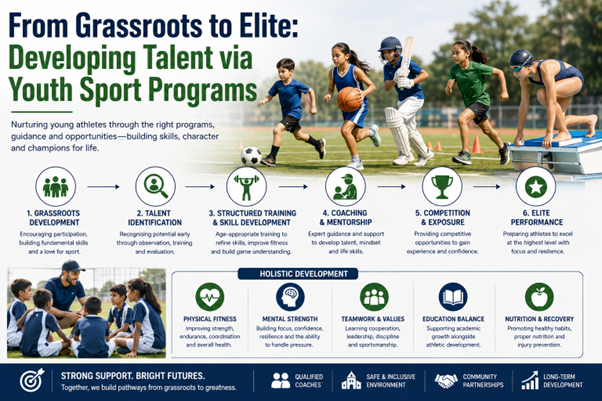
The journey from a beginner athlete to an elite performer begins with the right foundation. Youth sports play a crucial role in shaping physical abilities, mental resilience, and character. By introducing structured opportunities early in life, we create pathways that nurture talent and encourage long-term participation in sports.
Well-designed sport programs for youth provide children with access to training, mentorship, and competition in a supportive environment. These programs are not just about performance; they focus on holistic development, helping young athletes discover their strengths and build confidence.
Integrating initiatives like school wellbeing programs ensures that young participants develop both physically and emotionally. When sports are combined with well-being support, children are better equipped to handle challenges, maintain motivation, and thrive in competitive settings.
The Importance of Grassroots Development
Grassroots sports serve as the entry point for most young athletes. At this level, the focus is on participation, enjoyment, and skill development rather than competition.
Early exposure to sports helps children:
- Develop fundamental motor skills
- Build coordination and balance
- Learn teamwork and communication
- Foster a love for physical activity
Creating an inclusive and encouraging environment at the grassroots level ensures that more children remain engaged and motivated to continue their sporting journey.
Identifying Talent at an Early Stage
Talent identification is a critical step in transitioning from grassroots participation to elite performance. Coaches and trainers play a vital role in recognising potential and guiding young athletes toward appropriate pathways.
Key indicators of potential include:
- Natural athletic ability
- Strong work ethic and discipline
- Adaptability and willingness to learn
- Passion for the sport
Early identification allows for targeted training and development, ensuring that promising athletes receive the support they need to excel.
Structured Training and Skill Development
As athletes progress, structured training becomes essential. This stage focuses on refining technical skills, improving physical fitness, and developing tactical understanding.
Effective training programs emphasise:
- Age-appropriate skill progression
- Balanced physical conditioning
- Consistent practice routines
- Feedback and performance analysis
A well-structured approach ensures that athletes build a strong foundation while minimising the risk of injury or burnout.
The Role of Coaches and Mentors
Coaches and mentors are central to an athlete’s development. Their guidance shapes not only technical abilities but also mindset and attitude.
A great coach provides:
- Clear instruction and constructive feedback
- Motivation and encouragement
- Support during challenges and setbacks
- Leadership and role modelling
Mentorship extends beyond the field, helping young athletes develop life skills such as discipline, time management, and resilience.
Balancing Education and Athletic Development
Achieving excellence in sports should not come at the expense of education. A balanced approach ensures that young athletes develop academically while pursuing their athletic goals.
Key strategies include:
- Flexible training schedules
- Academic support programs
- Encouraging time management skills
This balance prepares athletes for long-term success, both within and beyond their sporting careers.
Transitioning from Youth to Elite Levels
The transition from youth sports to elite competition is a significant milestone. It requires increased commitment, higher training intensity, and exposure to competitive environments.
During this phase, athletes focus on:
- Advanced skill development
- Competitive experience at higher levels
- Mental preparation and focus
- Physical conditioning tailored to performance
Support systems, including coaches, family, and institutions, play a crucial role in ensuring a smooth transition.
The Role of Competition in Talent Development
Competition is an essential component of athlete development. It provides opportunities to test skills, gain experience, and learn from both success and failure.
Benefits of competition include:
- Building confidence under pressure
- Developing strategic thinking
- Enhancing resilience and adaptability
A balanced approach to competition ensures that athletes remain motivated without experiencing excessive stress.
Mental Strength and Psychological Development
Mental resilience is a defining factor in achieving elite performance. Young athletes must learn to manage pressure, stay focused, and maintain a positive mindset.
Psychological development involves:
- Goal setting and motivation
- Coping with setbacks and failures
- Building self-confidence
- Maintaining emotional balance
Training the mind is just as important as training the body, especially in competitive sports.
Importance of Nutrition and Physical Health
Proper nutrition and physical health are fundamental to athletic performance. Young athletes require balanced diets and recovery strategies to support growth and training demands.
Essential aspects include:
- Adequate hydration
- Nutrient-rich meals
- Rest and recovery
- Injury prevention practices
Maintaining physical health ensures that athletes can perform consistently and avoid setbacks.
Creating Opportunities and Access for All
One of the key challenges in youth sports is ensuring equal access to opportunities. Inclusive programs help identify and nurture talent from diverse backgrounds.
Efforts to improve access include:
- Community-based sports initiatives
- Scholarships and funding support
- Partnerships with schools and organisations
By removing barriers, we create a more diverse and competitive sporting environment.
Long-Term Athlete Development Model
A long-term approach to athlete development focuses on gradual progression through different stages of training and competition. This model emphasises sustainability and continuous improvement.
Key principles include:
- Age-appropriate training
- Gradual increase in intensity
- Emphasis on skill mastery
- Avoidance of early specialisation
This approach ensures that athletes reach their full potential without compromising their well-being.
Nurturing Talent for a Brighter Sporting Future
Developing talent from grassroots to elite levels requires a comprehensive and well-structured approach. By combining early participation, structured training, mentorship, and holistic development, we create pathways that support young athletes at every stage.
Investing in youth sports is not just about producing elite performers; it is about shaping confident, disciplined, and resilient individuals. With the right systems in place, we can unlock potential, inspire excellence, and build a future where talent thrives at every level.