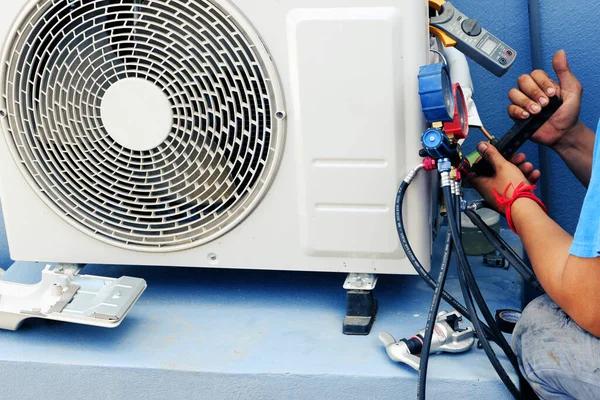
Furnace filters are often an overlooked component of the HVAC system, yet they play a pivotal role in its overall performance and efficiency. At first glance, these filters might seem like simple barriers designed to trap dust and debris from circulating through your home. However, their impact extends far beyond mere filtration, influencing various aspects of HVAC operation that many homeowners might not fully appreciate.
The primary function of furnace filters is to improve indoor air quality by capturing airborne particles such as dust, pollen, pet dander, and even some bacteria and viruses. By doing so, they prevent these contaminants from being recirculated throughout the home. This is particularly important for individuals with allergies or respiratory conditions who rely on clean air for better health outcomes.
Moreover, a clogged or dirty filter can significantly hinder airflow within the Auburn HVAC Services system. When airflow is restricted due to accumulated dirt on the filter surface, the furnace must work harder to push air through the ducts. This increased workload can lead to higher energy consumption as well as elevated utility bills over time. In contrast, regularly replacing or cleaning filters ensures optimal airflow and allows the HVAC system to operate more efficiently.
Another critical aspect influenced by furnace filters is system longevity. An obstructed filter forces the blower motor in your furnace to strain against reduced airflow resistance constantly. Over time, this added stress can cause wear and tear on components such as motors and fans—potentially leading to costly repairs or premature system failure if left unaddressed.
Furthermore, maintaining proper filtration also impacts temperature regulation within your living space. A compromised filter may result in uneven heating distribution because it impedes consistent warm-air flow across different rooms—a common issue experienced during colder months when efficient heat delivery becomes crucial for comfort levels indoors.
Investing in high-quality furnace filters offers additional benefits beyond standard models typically found at local hardware stores: advanced options include HEPA (High-Efficiency Particulate Air) rated versions capable of trapping smaller particles effectively than traditional fiberglass alternatives do; electrostatic varieties use charged fibers attract pollutants even more efficiently while reusable washable types provide eco-friendly cost-effective solutions long-term maintenance needs alike!
In conclusion: although seemingly insignificant compared other components comprising complex modern-day climate control systems today’s world increasingly prioritizes sustainability wellbeing factors affecting everyday life choices made consumers everywhere—it’s clear why paying attention selecting right kind matters greatly ensuring peak performance reliability year after year!