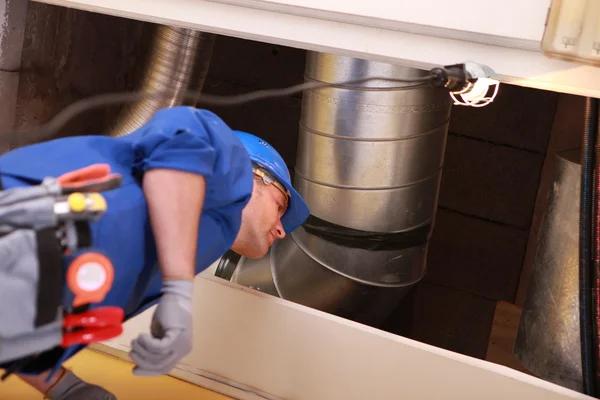
Short cycling is a common issue faced by homeowners with air conditioning systems, where the AC unit frequently turns on and off in quick succession. This problem not only reduces comfort but also increases energy bills and wears down the system prematurely. HVAC contractors follow a systematic approach to diagnose and resolve short cycling in home AC units.
The first step involves listening to the homeowner’s description of the issue. Contractors gather information about when the short cycling occurs, how long it has been happening, and any recent changes or repairs made to the system. Understanding these details helps narrow down potential causes.
Next, HVAC professionals conduct a thorough inspection of the thermostat settings. An incorrectly set thermostat can cause frequent cycling if learn all about it is not calibrated correctly or if it is placed near heat sources that trigger false readings. Contractors ensure that the thermostat is functioning properly and located in an optimal position within the home.
After verifying thermostat functionality, contractors examine airflow restrictions within the system. They inspect air filters for dirt and debris accumulation as clogged filters can impede airflow, causing overheating and subsequent short cycling. If necessary, they replace dirty filters with clean ones to restore proper airflow.
Following this, technicians check refrigerant levels since both low and high refrigerant levels can lead to short cycling issues. Low refrigerant might indicate a leak which requires immediate attention while too much refrigerant can cause pressure imbalances within the system leading to erratic behavior.
The inspection then moves towards examining electrical components such as capacitors and relays because faulty electrical parts may disrupt normal operation cycles of an AC unit resulting in frequent starts/stops during its operation phase due mainly from inadequate power supply reaching critical components like compressors/motors etc.