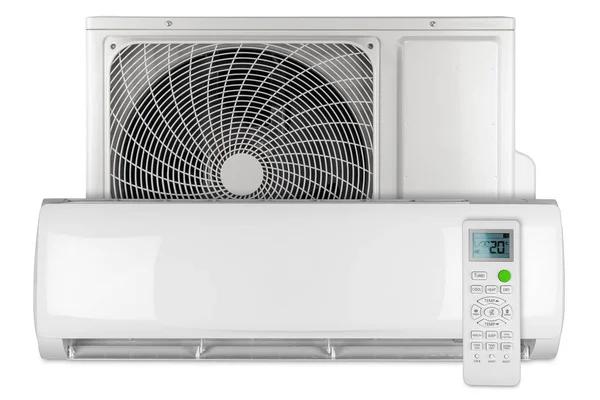
Mini split air conditioning technology has become increasingly popular as an efficient and flexible solution for cooling and heating individual rooms or zones. Unlike traditional central air systems, mini splits consist of two main components: an outdoor compressor unit and one or more indoor air-handling units. These units are connected by refrigerant lines, allowing them to operate without the need for extensive ductwork. This design makes mini splits particularly suitable for homes or buildings where installing ducts is impractical or cost-prohibitive.
One of the key advantages of mini split AC systems is their energy efficiency. Because they allow users to control temperatures in specific areas independently, energy consumption can be reduced significantly compared to central systems that cool entire buildings uniformly. For example, if only a few rooms require cooling at a given time, the system can focus its output on those spaces rather than wasting energy on unoccupied areas. Additionally, many models feature inverter-driven compressors that adjust their speed based on cooling demand rather than operating at full capacity continuously. This variable-speed operation further enhances efficiency by minimizing power usage during periods of low demand.
Installation flexibility also makes mini splits attractive for various applications. The absence of ducts means indoor units can be mounted on walls, ceilings, or floors depending on room layout and aesthetics. Installation typically involves drilling small holes through walls to connect refrigerant lines between indoor and outdoor units, which generally causes minimal disruption compared to installing ductwork throughout a building. Furthermore, because each indoor unit operates independently with its own thermostat control, occupants have greater ability to customize comfort levels in different rooms according to personal preferences.
Maintenance requirements for mini split systems tend to be straightforward as well. Regular cleaning of filters inside the indoor units helps maintain airflow quality and system performance while periodic professional servicing ensures refrigerant levels remain optimal and mechanical parts function properly over time. Many manufacturers also offer user-friendly remote controls or smartphone apps that simplify operation by allowing users to adjust settings remotely.
Despite these benefits, there are some considerations when choosing a mini split system. Initial costs may be higher than window units or portable air conditioners but often lower than full central HVAC installations when factoring in labor savings from avoiding duct installation. Proper sizing is critical; undersized systems will struggle with temperature regulation while oversized ones may cycle inefficiently leading to increased wear and tear.
Overall, Mini Split AC technology offers a practical balance between convenience, energy savings, and comfort customization making it an appealing option for residential and commercial environments alike seeking efficient climate control solutions without the complexities associated with traditional ducted systems.